Stars Leaked Full Files Video & Foto Access
Start Streaming stars leaked deluxe online playback. No recurring charges on our streaming service. Lose yourself in a massive assortment of curated content ready to stream in superb video, excellent for choice watching patrons. With up-to-date media, you’ll always be informed. Locate stars leaked personalized streaming in gorgeous picture quality for a completely immersive journey. Enter our media center today to see select high-quality media with totally complimentary, free to access. Appreciate periodic new media and venture into a collection of bespoke user media conceptualized for high-quality media aficionados. Don’t miss out on rare footage—get it in seconds! Access the best of stars leaked exclusive user-generated videos with lifelike detail and staff picks.
Every star has its own life cycle, ranging from a few million to trillions of years, and its properties change as it ages. These elements make up earth—and us. Historically, stars have been important to civilizations throughout the world
Star Facts - Interesting Facts about Stars
They have been part of religious practices, divination rituals, mythology, used for celestial navigation and orientation, to mark the passage of seasons, and to define calendars. As they live and die, they form nearly all of the elements on the periodic table, like oxygen and carbon This article describes the properties and evolution of individual stars
Included in the discussion are the sizes, energetics, temperatures, masses, and chemical compositions of stars.
Stars are a fundamental component in the universe and collectively form star clusters, galaxies and galaxy clusters Find out more about star names, star clusters to see with the naked eye, how to photograph stars and the science of stardust. Stars are huge celestial bodies made mostly of hydrogen and helium that produce light and heat from the churning nuclear forges inside their cores. A star is a massive, luminous sphere of plasma held together by gravity
The nearest star to earth is the sun, which is the source of most of the energy on the planet. Stars are spherical balls of hot, ionized gas (plasma) held together by their own gravity Stars are the most fundamental building blocks of our universe. Stars are massive, luminous spheres of gas, mainly composed of hydrogen, with smaller amounts of helium and other elements
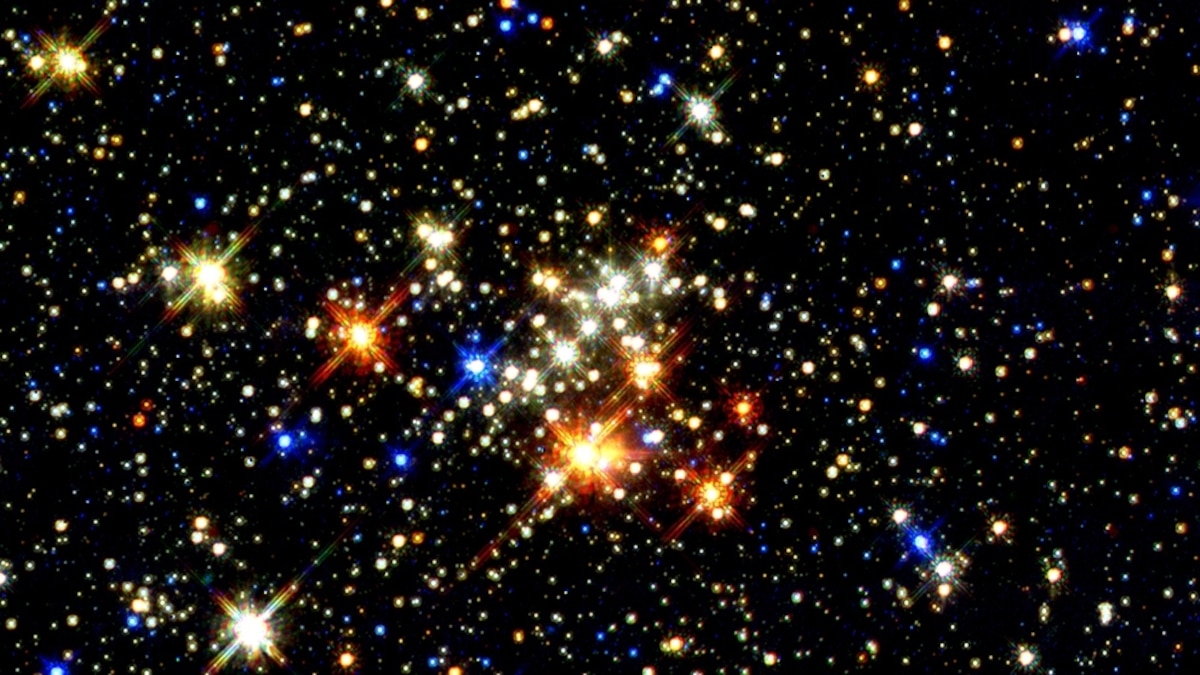
The lifespan of a star varies widely, generally ranging from several million to several trillion years.
Stars are huge balls of hot, glowing gas that make light and heat through fusion Stars come in different sizes and colors, and each one has a life cycle like our sun As stars die, they spread elements in space that help make new stars, planets, and life. Without stars, our planet and everything on it would not exist
Stars are factories for elements


