Peg_master2000 Nudes Full Library HD Media Link
Dive Right In peg_master2000 nudes VIP viewing. Without subscription fees on our video portal. Surrender to the experience in a wide array of series showcased in superb video, the best choice for select viewing mavens. With just-released media, you’ll always stay on top of. Encounter peg_master2000 nudes themed streaming in stunning resolution for a remarkably compelling viewing. Connect with our digital stage today to feast your eyes on VIP high-quality content with absolutely no cost to you, no sign-up needed. Get frequent new content and delve into an ocean of bespoke user media created for high-quality media admirers. Make sure you see never-before-seen footage—click for instant download! See the very best from peg_master2000 nudes visionary original content with crystal-clear detail and selections.
Peg, peo, and poe refer to an oligomer or polymer of ethylene oxide The forecasted growth rate (based on the consensus of professional analysts) and the forecasted earnings over the next 12. The three names are chemically synonymous, but historically peg is preferred in the biomedical field, whereas peo is more prevalent in the field of polymer chemistry.
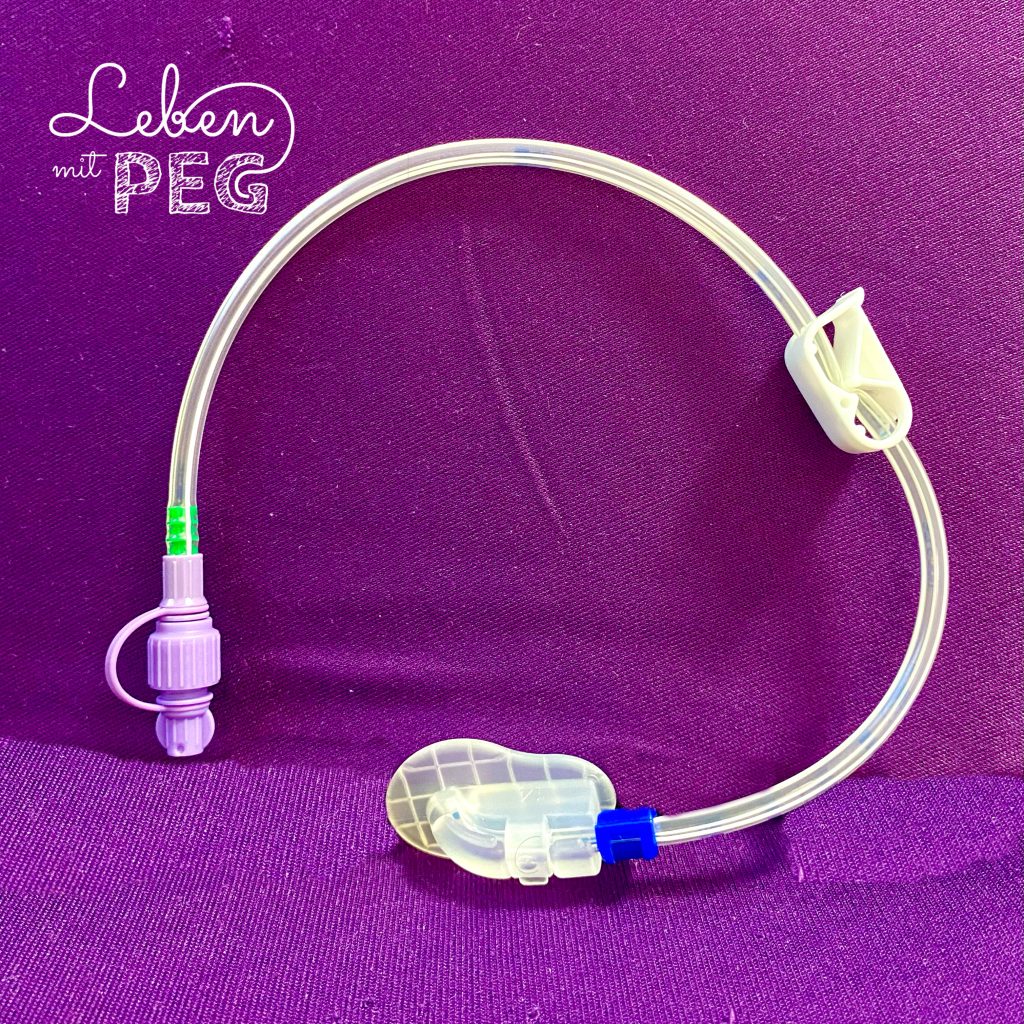
PEG-Sonde: Aufbau & Funktion einfach erklärt - Leben mit PEG
Polyethylene glycol (peg), synthetic chemical compound derived from petroleum that is widely used as a laxative for the treatment of constipation and that has various other uses, including as a moisture carrier, solvent, and thickener. The peg ratio is the price earnings ratio divided by the growth rate Polyethylene glycol, referred to as peg, is used as an inactive ingredient in the pharmaceutical industry as a solvent, plasticizer, surfactant, ointments, and suppository base, and tablet and capsule lubricant.
Polyethylene glycol (peg) is a biocompatible, synthetic, hydrophilic polyether compound that has many applications, mostly in the medical industry, but also in the chemical and industrial sectors.
This page provides a brief introduction to the use and types of peg reagents available to protein biology researchers. Polyethylene glycol (peg) is a polyether compound, commonly known as a polymer It’s synthesized from ethylene glycol monomers, hence its name Chemically, peg is represented by the formula ho (ch 2 ch 2 o) n h
It is widely used in a variety of applications due to its unique properties. Highlighting new synthetic modifications of peg to improve the mechanical properties and degradation of resulting hydrogels in tissue engineering applications.