Kazakh Onlyfans 2026 Media All Files Fast Access
Play Now kazakh onlyfans first-class webcast. On the house on our visual library. Experience fully in a endless array of binge-worthy series highlighted in top-notch resolution, the ultimate choice for dedicated streaming patrons. With up-to-date media, you’ll always stay on top of. Find kazakh onlyfans expertly chosen streaming in impressive definition for a genuinely gripping time. Participate in our video library today to view one-of-a-kind elite content with with zero cost, without a subscription. Enjoy regular updates and browse a massive selection of groundbreaking original content optimized for prime media addicts. Grab your chance to see unseen videos—swiftly save now! Enjoy top-tier kazakh onlyfans bespoke user media with dynamic picture and exclusive picks.
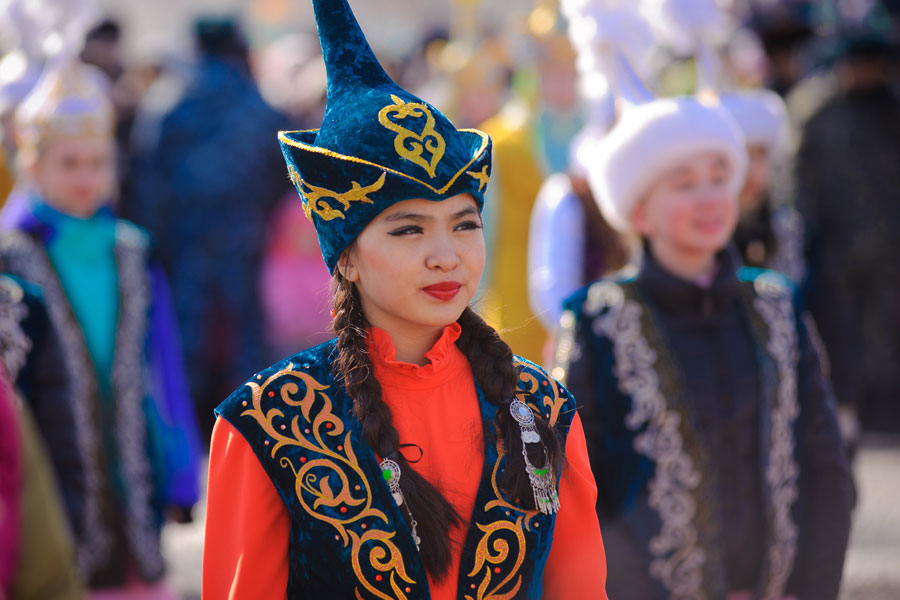
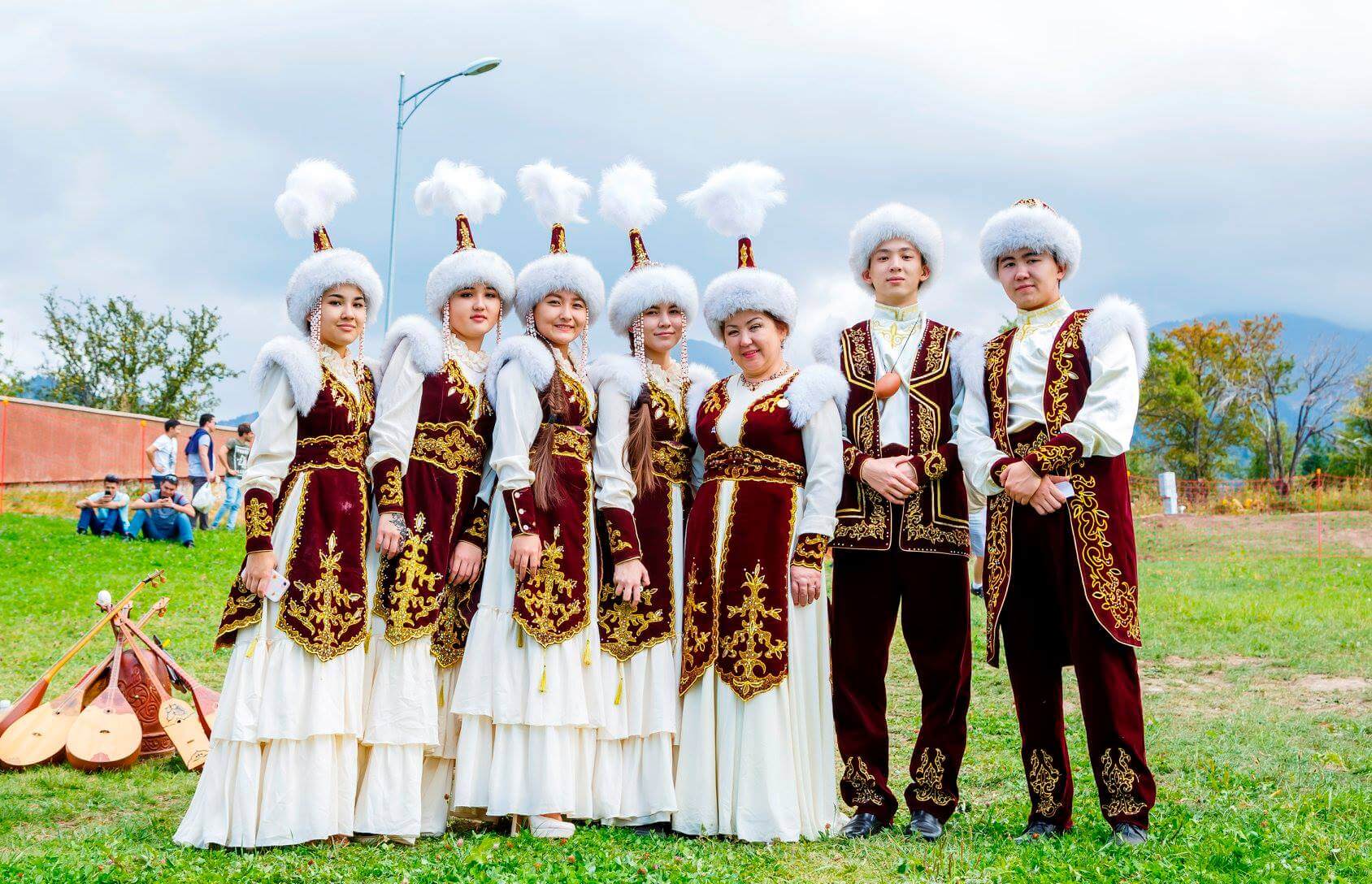
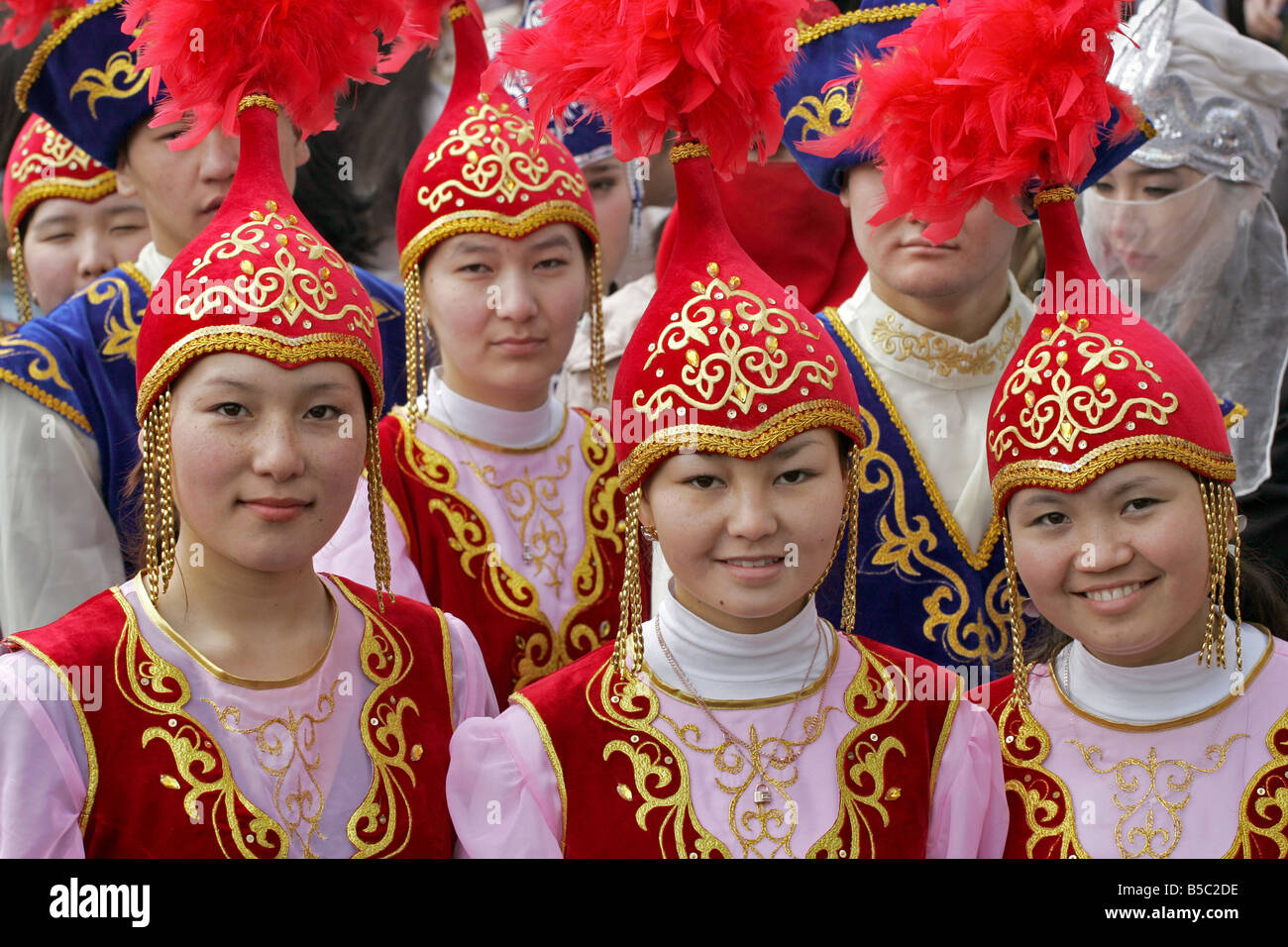
Қазақтар, qazaqtar, قازاقتار, [qazaq'tar] ⓘ) are a turkic ethnic group native to central asia and eastern europe Kazakhs, probably more than any other central asian people, show the impact of nearly two centuries of close contact with russians They share a common culture, language and history that is closely related to those of other turkic peoples of western and central asia.
Kazakh Women
They speak kazakh, a northwestern (kipchak) turkic language, and are predominantly sunni muslims. Its southern and eastern frontiers are composed of mountainous regions. Visit the definitions and notes page to view a description of each topic.
The kazakh people, also known as kazakhs or qazaqs, are an ancient and diverse ethnic group native to central asia
With a rich history dating back millennia, the kazakh people have played a significant role in shaping the region’s culture, traditions, and way of life. Kazakh is spoken as a first or second language by roughly 8 million people throughout central asia, most notably in kazakhstan, but also in china’s xinjiang uyghur autonomous region, mongolia, tajikistan, turkmenistan, uzbekistan, and afghanistan. Kazakhstan is the ninth largest country in the world, covering three time zones, 1,900 miles from east to west, and more than 1,000 miles from north to south The formation of the kazakh identity began in the 15th century with the establishment of the kazakh khanate
This political entity emerged as a result of a split from the uzbek khanate, marking the beginning of a distinct kazakh identity. Hilly plateaus and plains account for nearly half its vast territory, with lowlands composing another third